
Skin Checks: Not Just for High-Risk Lifestyles
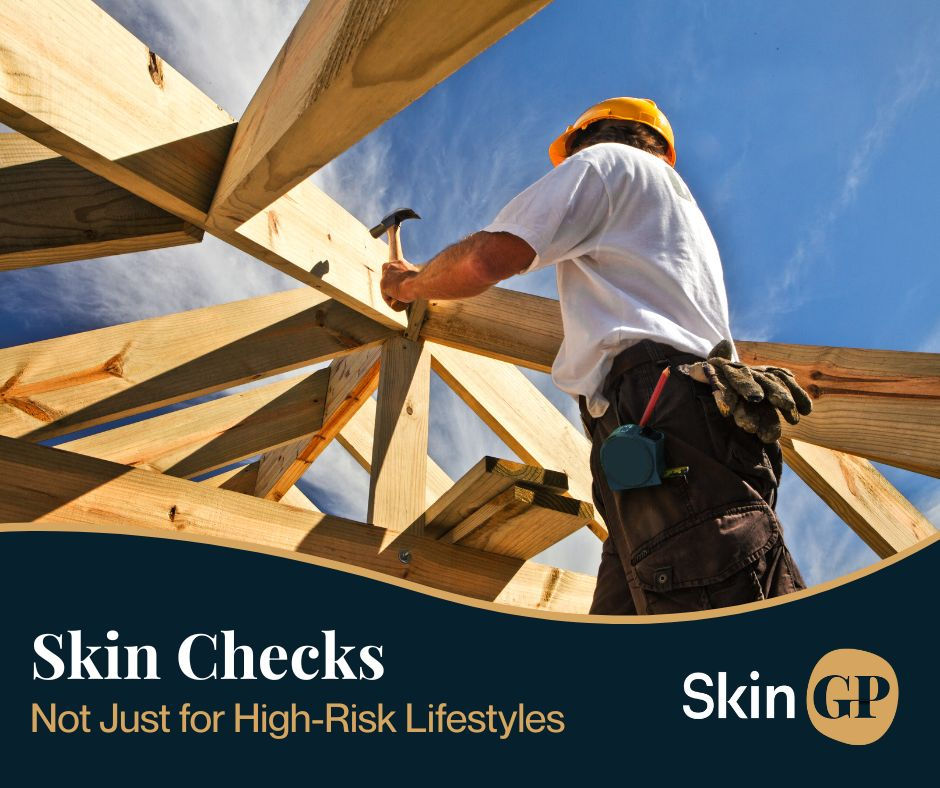
There's a common assumption that skin checks are for people who fit a particular profile - fair skin, a family history of melanoma, years of working outdoors, or a past that involved a lot of sun exposure. It's an understandable assumption, but it's also one that stops a lot of people from booking an appointment they would genuinely benefit from.
The reality is that skin cancer doesn't discriminate. While certain factors do increase your risk, melanoma and other skin cancers regularly appear in people with none of them. In fact, melanoma is the most common cancer diagnosed in Australians aged 20 to 39 — a group that rarely considers itself high risk.
What actually increases your risk?
The established risk factors for skin cancer include fair skin, light hair or eyes, a large number of moles, a personal or family history of skin cancer, significant cumulative sun exposure, a history of sunburn (particularly in childhood), and history of solarium use. Working outdoors is also a recognised factor, which is why tradies, farmers, and anyone spending significant time outside are frequently encouraged to get checked.
But risk factors are just that - factors. They increase probability; they don't determine outcomes. Plenty of people with multiple risk factors never develop skin cancer. Plenty of people have none of them.
Why everyone benefits from a regular skin check
Skin cancer develops on the surface of the body, which means it can be detected visually - often before it becomes dangerous. That's the fundamental advantage of a professional skin check: a trained doctor using advanced imaging can identify changes that are invisible to the naked eye and that you would have no way of knowing about.
At SkinGP, every Full Skin Check includes Total Body Photography and high-definition dermoscopy using the FotoFinder system. This creates a precise digital baseline of your skin that can be tracked and compared over time. If something changes between visits, we can see it - even when it's subtle.
That level of monitoring is valuable regardless of your risk profile. For lower-risk patients, a clear result gives genuine peace of mind and establishes a baseline for future checks. For anyone in a higher-risk category, it can be life-saving.
How often should you get a skin check?
For most adults with no specific risk factors or history of skin cancer, an annual Full Skin Check is a reasonable starting point. Your doctor will advise a more frequent schedule if your individual circumstances warrant it.
The most important thing is simply to start. No referral is required to book with SkinGP. If you've been meaning to get a skin check and haven't quite got around to it, this is your reminder.
Comments